The roof dries out
With the sponge removed, tiles shed water and dry between showers, which is the single biggest factor in slowing frost damage.
24/7 emergency call-outs — Havant, Portsmouth & Hampshire24/7 emergency call-outs
Moss removal & roof cleaning in Havant & Portsmouth
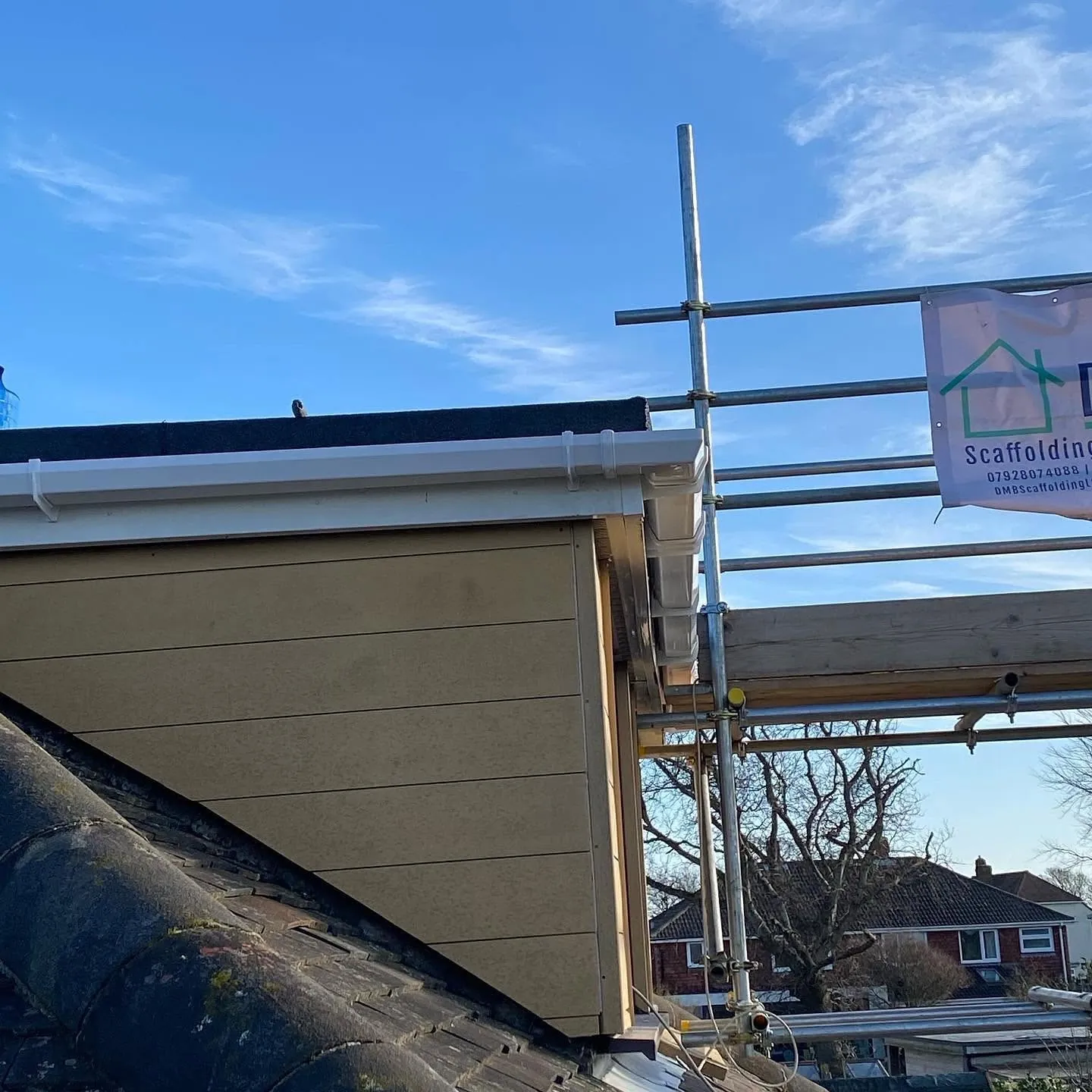
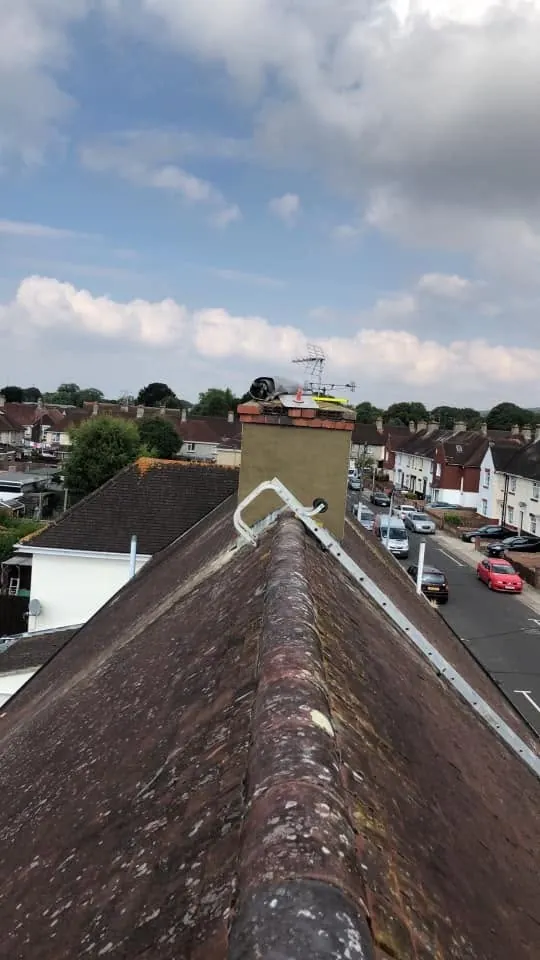
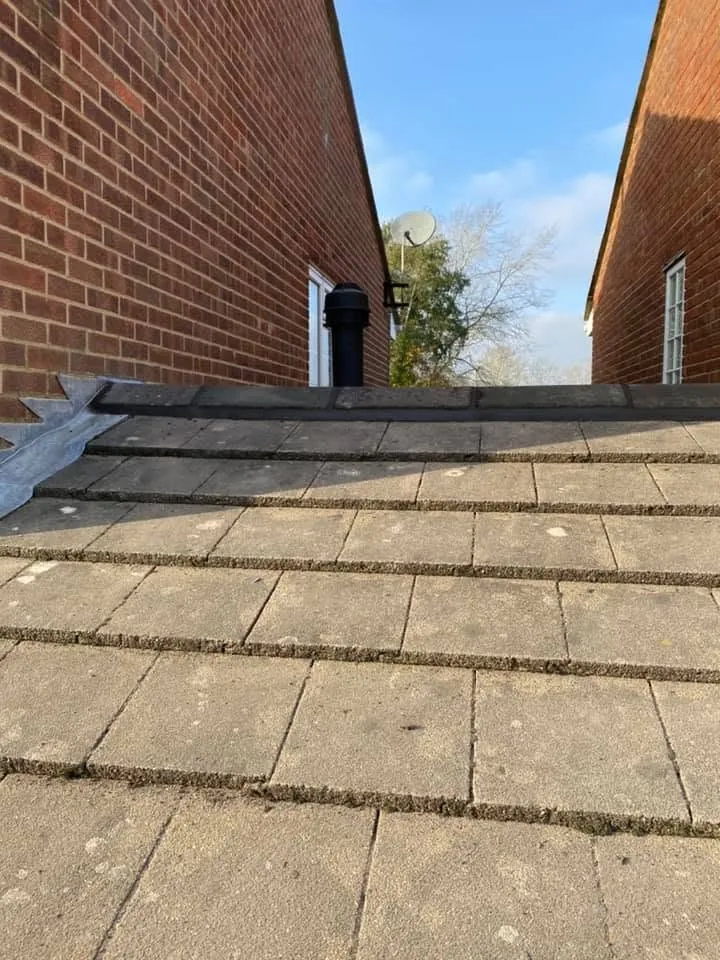
Moss lifted carefully, valleys and gutters cleared, and the covering inspected while we are up there — with photographs of any defect the moss was hiding, and a fixed written price for anything that needs doing.
Family-run, owner-led · free inspection with photographic report · £1,000,000 public liability insurance · no pressure-washing tiles that cannot take it.
Moss removal & roof cleaning we have completed
What it is
Moss holds water against the tiles long after the rain stops, blocks the gutters as it sheds, and grows into the joints between tiles where it can lift edges and force water sideways.
Damp, mild, coastal Hampshire is ideal moss country. North-facing slopes, roofs shaded by trees and older, more porous concrete tiles all grow it fastest. On a modern roof in good condition, light growth is largely cosmetic. On an older covering it becomes a genuine problem.
The mechanism is simple. Moss acts like a sponge: it keeps the surface of the tile permanently damp, which accelerates frost damage as trapped water freezes and expands in the pores of the tile. It also sheds continuously into the gutters, where it forms a dense silt that blocks outlets and downpipes and pushes overflow back into the fascia and the brickwork.
We remove it mechanically — scraped and brushed off by hand and lifted out of the joints — then clear the valleys, gutters and downpipes of everything that has come down. Treatment can be applied afterwards to slow regrowth where it makes sense.
What we do not do is blast an old covering with a high-pressure lance. Pressure washing strips the surface off concrete tiles, drives water up under the laps and finishes off tiles that were marginal to begin with. On the wrong roof it turns a cleaning job into a re-roof, so we assess the covering first and tell you plainly what it can take.
Homeowners with visible moss, thick growth on north-facing slopes or under trees, anyone whose gutters keep silting up, and sellers wanting the roof to present well.
When moss is visible in the joints, when clumps appear in the gutters or on the drive, when gutters block repeatedly, or before an autumn maintenance visit.
It is height work over hard surfaces, and the wrong cleaning method destroys tiles. A roofer also spots the defects the moss was hiding — which is usually the more valuable part of the visit.
Mechanical moss removal, valley and gutter clearing, downpipe check, debris cleared from the property, inspection of the exposed covering and a photographic report.
What ignoring it costs
Nothing about moss is urgent, which is exactly why it is left. It works slowly, through the same freeze-thaw and blocked-drainage mechanisms that eventually cost real money.
Permanently damp tiles absorb water into the surface. When it freezes it expands, and the face of the tile begins to break away. Delaminating tiles are the beginning of the end for a covering.
Shed moss silts up gutters and downpipes. The gutter overflows in the same place every downpour, soaking the fascia and the brickwork, and internal damp follows on that wall.
A thick mat of moss conceals cracked tiles, slipped units, failed pointing and split lead. You do not find out until water is already inside, by which point the repair is bigger.
Our process
We assess the covering, its age and condition, and how heavy the growth is, then tell you which cleaning method it can safely take.
Photographs of the roof as found, plus a straight view on whether cleaning is worthwhile or whether the covering is beyond it.
Moss scraped and brushed off by hand, lifted out of the joints and off the laps, working carefully to avoid damaging sound tiles.
Valleys, gutters, outlets and downpipes cleared of everything that has come down, then flushed and checked for flow.
The now-visible covering inspected, defects photographed, debris removed from your property, and a fixed price quoted for anything that needs repair.
What you get
With the sponge removed, tiles shed water and dry between showers, which is the single biggest factor in slowing frost damage.
Clear valleys, gutters and downpipes mean the water off the whole roof leaves the building instead of overflowing into a wall.
Cracked, slipped and delaminating tiles hidden under the growth are found and photographed while they are still a small repair.
Keeping a roof clear and draining is the cheapest way to get the full design life out of the covering you already paid for.
A clean roof visibly lifts the whole property, which matters if you are selling or if the moss has become the first thing anyone notices.
Mechanical removal chosen to suit the covering means the tiles are the same tiles at the end of the day, just without the moss on them.
In detail
The right approach depends entirely on what your roof is covered with and what condition it is in. Here is how the options compare.
“From start to finish, the service provided was excellent. It is clear that they take great pride in their work and genuinely care about making sure their customers are happy with the finished result. There was no pressure, and I felt confident that I was receiving genuine advice and a fair price. They were also respectful of the property and left everything clean and tidy once the work was finished.”
Working down the roof with hand tools removes the bulk of the growth and lifts it out of the joints without forcing water anywhere it should not go. It is slower than a lance and it is the method that does not damage tiles, which is why it is our default on older concrete and clay coverings.
High-pressure water strips the cement-rich surface off concrete tiles, exposing a porous face that then absorbs more water and grows moss faster than before. It also drives water up under the laps and onto the membrane. On sound, modern, robust coverings a controlled low-pressure approach can have a place; on tired ones it does real harm.
After removal, a suitable treatment can be applied to slow regrowth. It works over months rather than instantly and it is not a substitute for physically taking the moss off. We will discuss whether it is worth it for your roof, its aspect and how quickly growth returns.
Older concrete tiles are the most porous and the most moss-prone, and also the most easily damaged by aggressive cleaning. Clay is denser and generally weathers better. Natural slate holds algae rather than thick moss and needs careful handling, since slates crack and slide easily when walked on.
Clearing what comes down is half the job. Moss silt sets hard in a gutter and blocks outlets completely. We hand-clear gutters and valleys, flush the runs and check the downpipes and gullies discharge properly. This ties directly into our fascias and guttering work if the roofline itself is failing.
With the growth off, the state of the ridge and hip mortar, the verge pointing and the flashings is visible. This is often the most useful part of the visit — small defects found and photographed before they let water in.
In shaded, tree-lined or north-facing situations moss will come back; the question is how fast. Most properties benefit from a clear-out every couple of years and a gutter clear annually, ideally combined with a roof maintenance visit so the inspection comes free with the work.
On houses this is usually a one-visit job. On commercial premises, larger roof areas, walkways and plant access mean more planning and often phasing, and clearing the drainage matters even more because commercial roofs frequently rely on a small number of outlets.
Straight answers
Anything not covered here, call 07926 240983. You will speak to an owner, not a salesperson, at any hour of the day.
It depends on the size and pitch of the roof, how heavy the growth is and the access needed, so each roof is priced individually after a free inspection. You get a fixed written price that includes clearing the gutters of what comes down.
Most domestic roofs are completed in a day, sometimes less, depending on size, access and how thick the growth is. We confirm the expected duration with your quote.
It can, and often does on older concrete tiles — it strips the surface and drives water under the laps. We assess the covering first and use the method it can safely take, which is usually careful manual removal.
Indirectly, yes. It holds moisture against the tiles which accelerates frost damage, blocks gutters and valleys, and hides defects until they leak. On a covering already at the end of its life it hastens the decline.
In shaded or tree-lined positions, every couple of years is realistic, with gutters cleared annually. Sunny, exposed roofs go much longer. We will tell you what your roof needs rather than sell you a schedule.
In the right conditions, eventually yes — no treatment is permanent. A biocide applied after removal slows it considerably, and keeping gutters and valleys clear removes the standing damp that helps it establish.
Yes. Removing moss without clearing what falls into the gutters would simply move the blockage, so gutter and downpipe clearing is part of the work, not an extra.
We photograph it, explain it and quote a fixed price for the repair. You are under no obligation to have it done, and we will tell you which items genuinely matter and which are cosmetic.
Any repair work we carry out comes with our workmanship guarantee, with cover that varies by job type and confirmed in writing with the quote. Moss regrowth itself depends on your roof's aspect and surroundings, so we will be straight with you about what to expect.
Yes — Havant, Emsworth, Rowlands Castle, Portsmouth, Southbourne, Southampton, Chichester and the wider Hampshire and West Sussex area.
Related work
See every service on our roofing services page, read about the family behind the firm on our about page, or head back to the homepage.
Where we work
Free quote
Book a free inspection and we will tell you what your covering can safely take, quote a fixed price for removal and gutter clearing, and photograph anything the growth has been concealing.
S&S Roofing & Building Limited
13 Braishfield Rd, Havant, Hampshire PO9 2HS, UK
Open 24 hours, 7 days a week
We use essential cookies to run this site, and optional ones only if you accept. Cookie Policy.